

 Image 1 of 2
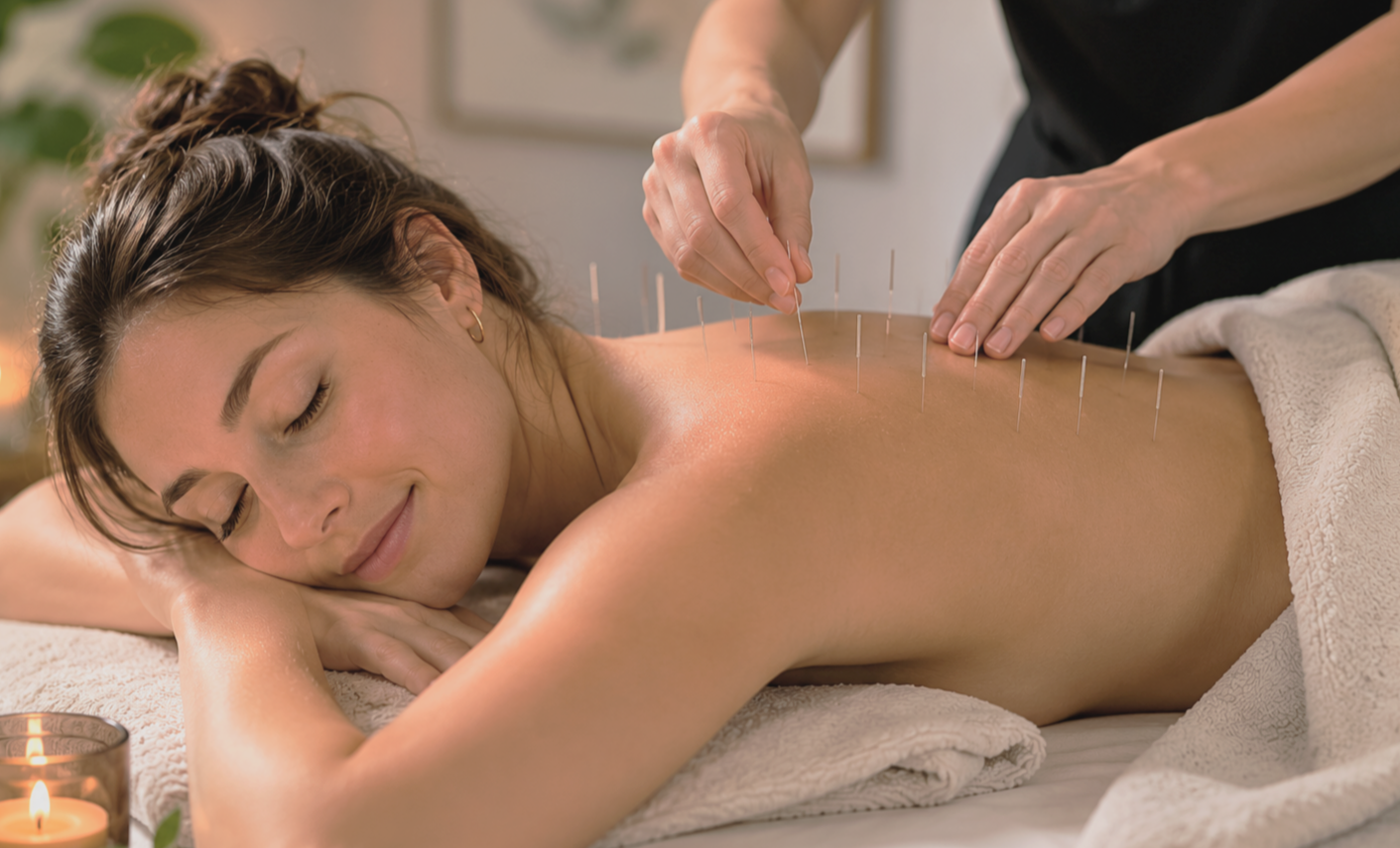 Image 2 of 2
Combined Massage Therapy and Acupuncture for Autoregulation, Movement, and Strength - Follow up session only 60 minutes
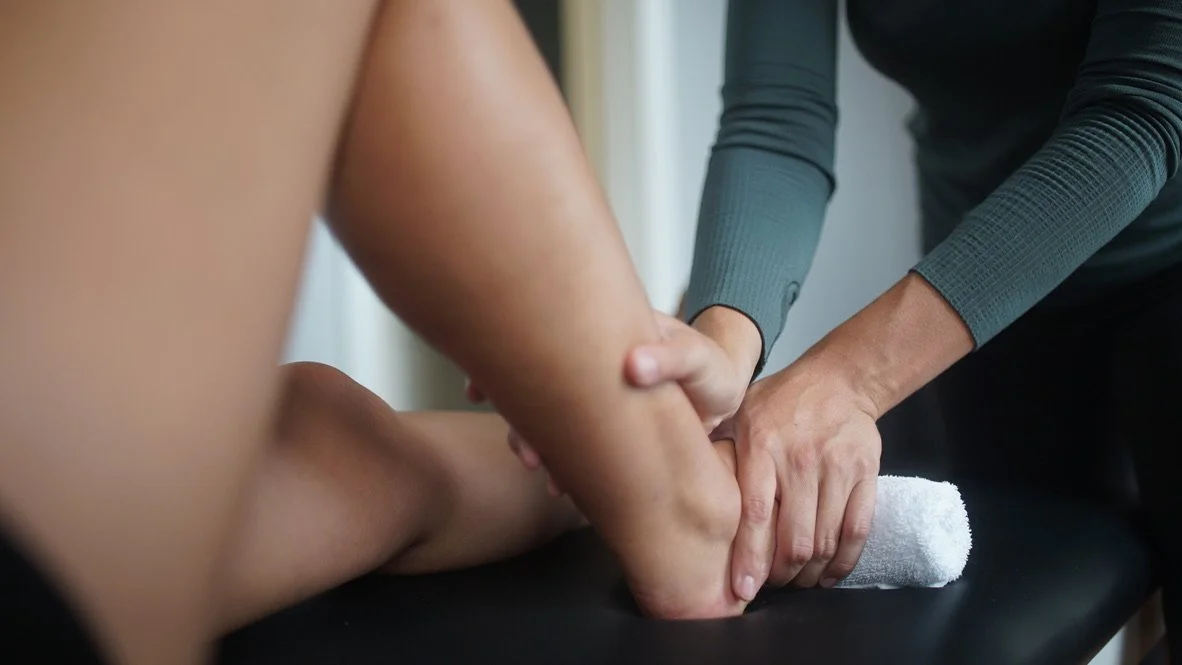
A combined approach using massage therapy and acupuncture targets the nervous system to promote autoregulation, restore efficient movement patterns, increase strength, and release areas that have been neurologically inhibited. By addressing both soft tissue and neurophysiologic drivers of dysfunction or pain, this integrative model supports lasting change rather than temporary symptom relief.
How it works — neurophysiology in plain language
Peripheral input and central processing: Massage supplies targeted mechanoreceptor input (pressure, shear, stretch) that changes afferent signals from muscles, fascia, and skin. Acupuncture introduces focused sensory stimuli (needle and/or electroacupuncture) that modulate afferent pathways and reflex arcs. Together, they alter how the spinal cord and brain interpret and regulate muscle tone and movement.
Autoregulation: These interventions encourage the nervous system to regain self-regulation (autoregulation) — the ability of neural circuits to set appropriate baseline tone, reflex gain, and movement strategies without maladaptive compensation.
Neuroplastic effects: Repeated, well-timed peripheral input promotes synaptic reweighting and cortical remapping, helping to restore inhibited motor units and reorganize motor patterns toward more efficient, coordinated activation.
Pain modulation and descending control: Both modalities activate endogenous pain inhibitory systems (descending pain modulatory pathways), reducing nociceptive drive that can sustain inhibition and poor movement patterns.
Clinical targets and expected changes
Release of inhibited muscles: Inhibition from pain, guarding, or altered afferent input often reduces recruitment of specific muscles. Combined treatment reduces nociceptive input and normalizes sensory feedback, allowing those muscles to re-engage.
Improved motor control and timing: By restoring more accurate sensory information and decreasing protective guarding, the nervous system can retrain precise activation timing across joints and segments.
Enhanced strength and endurance: As previously inhibited motor units are recruited and movement patterns normalize, functional strength improves more quickly and sustainably than with strengthening alone.
Better coordination and movement economy: Integration of sensory-motor input improves intermuscular coordination, reducing compensatory strategies that waste energy and increase injury risk.
Typical assessment process
Functional movement screening: Observation of key tasks (squat, hinge, lunge, gait, reach) to identify dysfunctional patterns, asymmetries, and compensations.
Neuromuscular testing: Manual muscle testing and electromyographic-informed palpation to locate inhibited or overactive muscles.
Palpation and refined experience of the therapist are paramount to safety and effectiveness of treatment
Combined Massage Therapy and Acupuncture for Autoregulation, Movement, and Strength - Follow up session only 60 minutes
A combined approach using massage therapy and acupuncture targets the nervous system to promote autoregulation, restore efficient movement patterns, increase strength, and release areas that have been neurologically inhibited. By addressing both soft tissue and neurophysiologic drivers of dysfunction or pain, this integrative model supports lasting change rather than temporary symptom relief.
How it works — neurophysiology in plain language
Peripheral input and central processing: Massage supplies targeted mechanoreceptor input (pressure, shear, stretch) that changes afferent signals from muscles, fascia, and skin. Acupuncture introduces focused sensory stimuli (needle and/or electroacupuncture) that modulate afferent pathways and reflex arcs. Together, they alter how the spinal cord and brain interpret and regulate muscle tone and movement.
Autoregulation: These interventions encourage the nervous system to regain self-regulation (autoregulation) — the ability of neural circuits to set appropriate baseline tone, reflex gain, and movement strategies without maladaptive compensation.
Neuroplastic effects: Repeated, well-timed peripheral input promotes synaptic reweighting and cortical remapping, helping to restore inhibited motor units and reorganize motor patterns toward more efficient, coordinated activation.
Pain modulation and descending control: Both modalities activate endogenous pain inhibitory systems (descending pain modulatory pathways), reducing nociceptive drive that can sustain inhibition and poor movement patterns.
Clinical targets and expected changes
Release of inhibited muscles: Inhibition from pain, guarding, or altered afferent input often reduces recruitment of specific muscles. Combined treatment reduces nociceptive input and normalizes sensory feedback, allowing those muscles to re-engage.
Improved motor control and timing: By restoring more accurate sensory information and decreasing protective guarding, the nervous system can retrain precise activation timing across joints and segments.
Enhanced strength and endurance: As previously inhibited motor units are recruited and movement patterns normalize, functional strength improves more quickly and sustainably than with strengthening alone.
Better coordination and movement economy: Integration of sensory-motor input improves intermuscular coordination, reducing compensatory strategies that waste energy and increase injury risk.
Typical assessment process
Functional movement screening: Observation of key tasks (squat, hinge, lunge, gait, reach) to identify dysfunctional patterns, asymmetries, and compensations.
Neuromuscular testing: Manual muscle testing and electromyographic-informed palpation to locate inhibited or overactive muscles.
Palpation and refined experience of the therapist are paramount to safety and effectiveness of treatment