

 Image 1 of 3
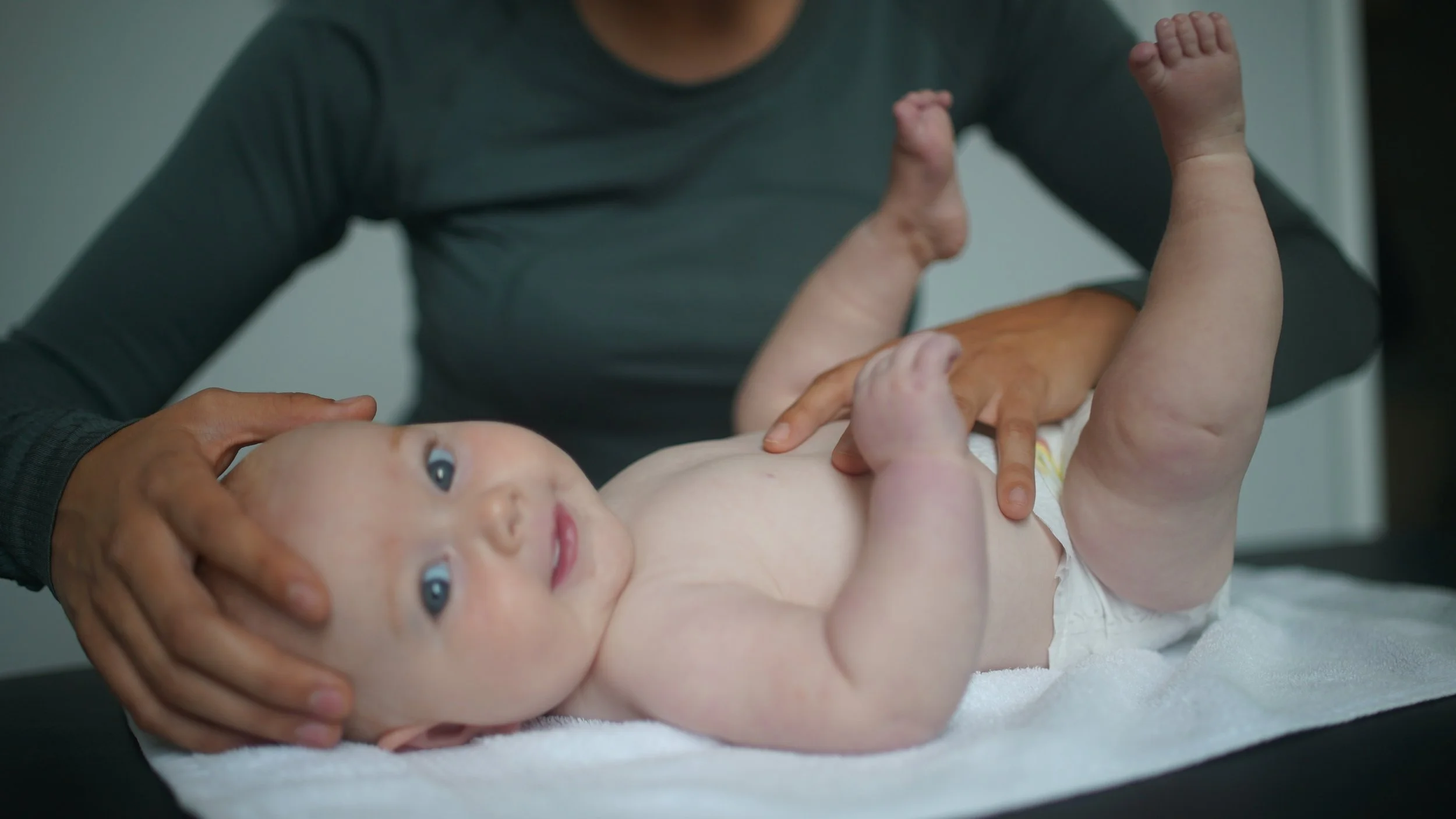 Image 2 of 3
 Image 3 of 3
Initial Appointment 50 Minutes
Follow up Appointment 35 Minutes
A pediatric session involves a gentle, hands-on assessment for your child. The practitioner assesses for age appropriate movement milestones, tensions and dynamic changes that may be causing discomfort in the child. The therapist uses very light touch to check tension in the head, spine, torso and limbs. Sessions include talking with parents, a physical check, and soothing manual techniques to help your child adapt with their growing bodies.
What to expect during the Visit
Intake History: The practitioner asks about your child's birth, sleep habits, and health history to ensure a safe and specialized treatment plan
Assessment: They watch your child move or rest. They use soft touch to identify any immobile body tissues or restricted areas.
Soft Treatment: The practitioner uses very light pressure and movements engaging with the child to help relief any immobilities
Rest and Calm: Most babies and kids stay quiet or fall asleep during the treatment
What are common issues that are treated?
For Babies (Newborns to Toddlers)
Feeding Issues: Strains from birth can cause poor latching, lip and tongue ties, sucking asymmetry or weakness, or turning the head only to one side (torticollis)
Digestive Discomfort: Structural tension can contribute to infant colic, excessive wind, reflux, and constipation. Occasionally this is seen as high abdominal tone or arching of the back.
Birth Trauma Strains: Physical stress from deliveries, forceps, or vacuum suction can leave tensions spots in the baby's head, neck and spine.
Sleep Disruption: Persistent body discomfort or an overstimulated nervous system can prevent a baby from settling into deep sleep.
Postural Preferences: Conditions like flat head syndrome (plagiocephaly) or a preferred neck tilt (torticollis) respond well to soft tissue release.
For Older Children
Growing Pains: Rapid growth spurts often cause structural asymmetries, aches in the legs, knees, and lower back.
Postural Strains: Long hours sitting at school desks or looking down at digital screens can strain the neck and shoulders.
Injury Recovery: Soft tissue care helps heal minor muscle strains, sprains, or imbalances caused by sports and active play.
Recurrent Infections: Easing tension around the chest and neck can support fluid drainage, helping children manage glue ear or recurrent colds.
Digestive complaints: lack of appetite, indigestion, or complaints of sore stomachs can be due to tensions in the organs, or the pressures around the abdomen and can be effetely relieved with gentle osteopathic care
Initial Appointment 50 Minutes
Follow up Appointment 35 Minutes
A pediatric session involves a gentle, hands-on assessment for your child. The practitioner assesses for age appropriate movement milestones, tensions and dynamic changes that may be causing discomfort in the child. The therapist uses very light touch to check tension in the head, spine, torso and limbs. Sessions include talking with parents, a physical check, and soothing manual techniques to help your child adapt with their growing bodies.
What to expect during the Visit
Intake History: The practitioner asks about your child's birth, sleep habits, and health history to ensure a safe and specialized treatment plan
Assessment: They watch your child move or rest. They use soft touch to identify any immobile body tissues or restricted areas.
Soft Treatment: The practitioner uses very light pressure and movements engaging with the child to help relief any immobilities
Rest and Calm: Most babies and kids stay quiet or fall asleep during the treatment
What are common issues that are treated?
For Babies (Newborns to Toddlers)
Feeding Issues: Strains from birth can cause poor latching, lip and tongue ties, sucking asymmetry or weakness, or turning the head only to one side (torticollis)
Digestive Discomfort: Structural tension can contribute to infant colic, excessive wind, reflux, and constipation. Occasionally this is seen as high abdominal tone or arching of the back.
Birth Trauma Strains: Physical stress from deliveries, forceps, or vacuum suction can leave tensions spots in the baby's head, neck and spine.
Sleep Disruption: Persistent body discomfort or an overstimulated nervous system can prevent a baby from settling into deep sleep.
Postural Preferences: Conditions like flat head syndrome (plagiocephaly) or a preferred neck tilt (torticollis) respond well to soft tissue release.
For Older Children
Growing Pains: Rapid growth spurts often cause structural asymmetries, aches in the legs, knees, and lower back.
Postural Strains: Long hours sitting at school desks or looking down at digital screens can strain the neck and shoulders.
Injury Recovery: Soft tissue care helps heal minor muscle strains, sprains, or imbalances caused by sports and active play.
Recurrent Infections: Easing tension around the chest and neck can support fluid drainage, helping children manage glue ear or recurrent colds.
Digestive complaints: lack of appetite, indigestion, or complaints of sore stomachs can be due to tensions in the organs, or the pressures around the abdomen and can be effetely relieved with gentle osteopathic care