

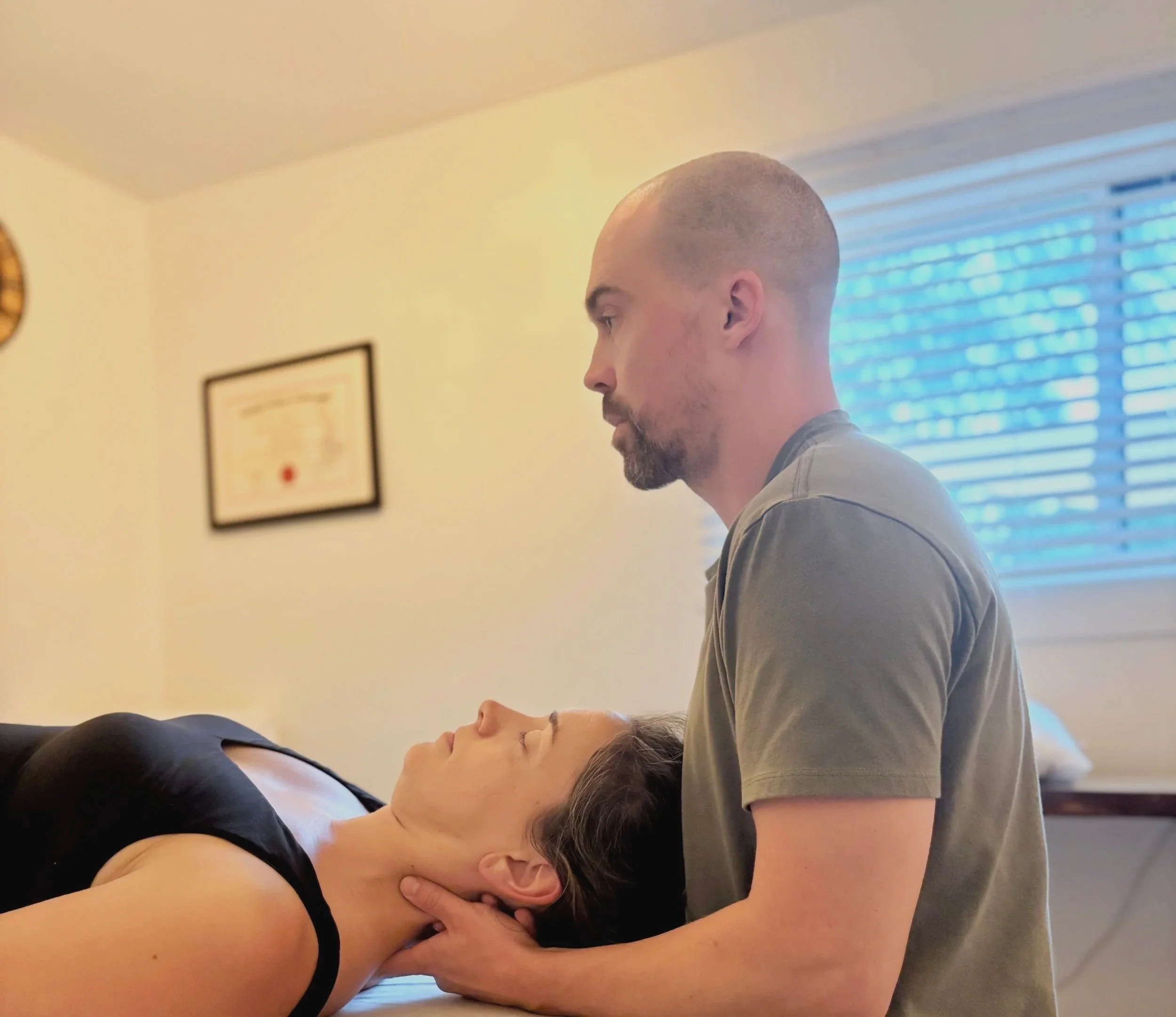
What can you expect at your next visit?
What can you expect at your next visit at Forest City Osteopathy?
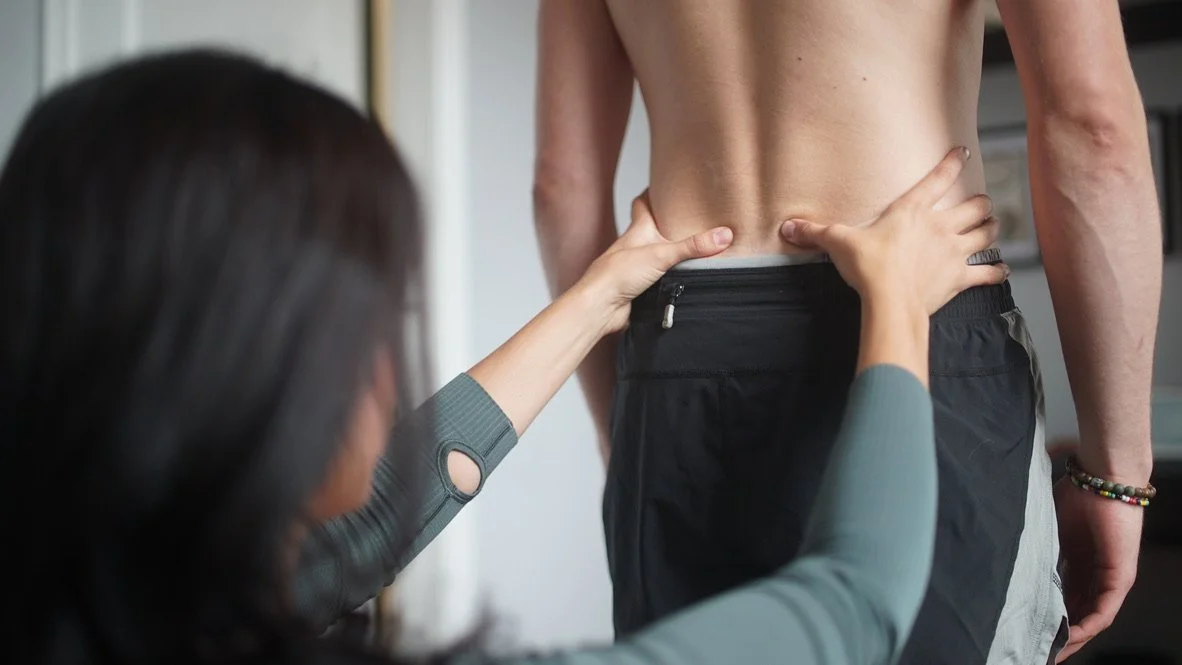
We begin every session with an in depth conversation about how you have been living, and what is in your current state of being, both physical and emotional. From there we decide on our approach for the treatment, discuss consent and treatment modalities intended to be used, risks and benefits to be expected and if treatment is indicated we begin with a hands on assessment.
What your treatment may include
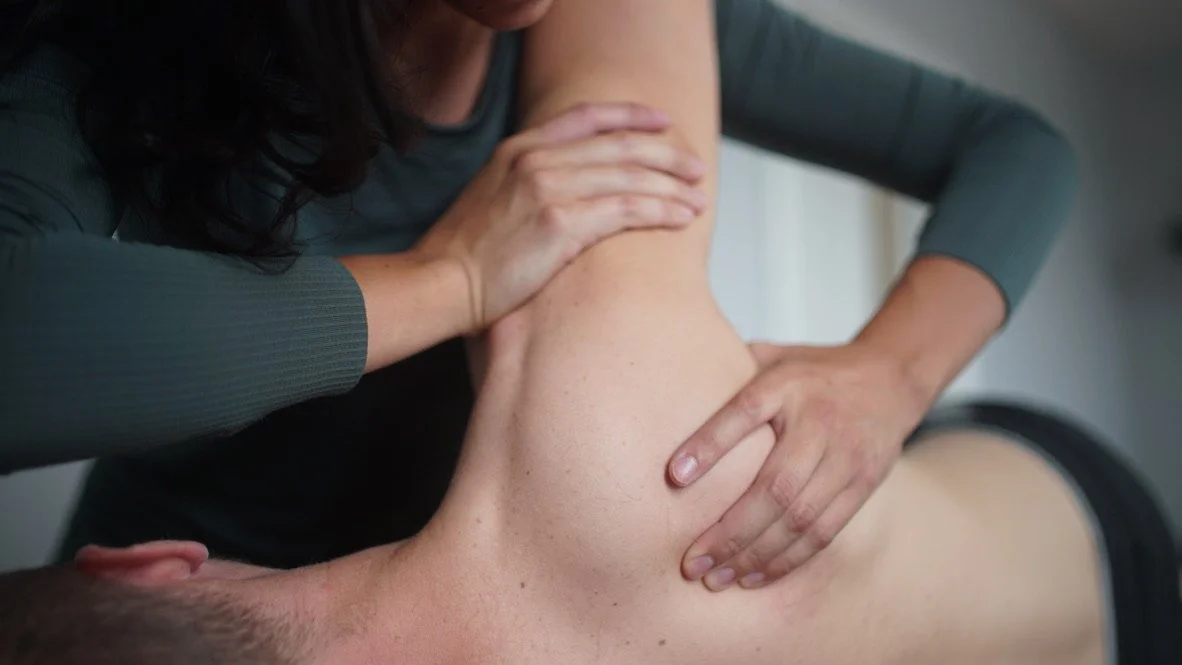
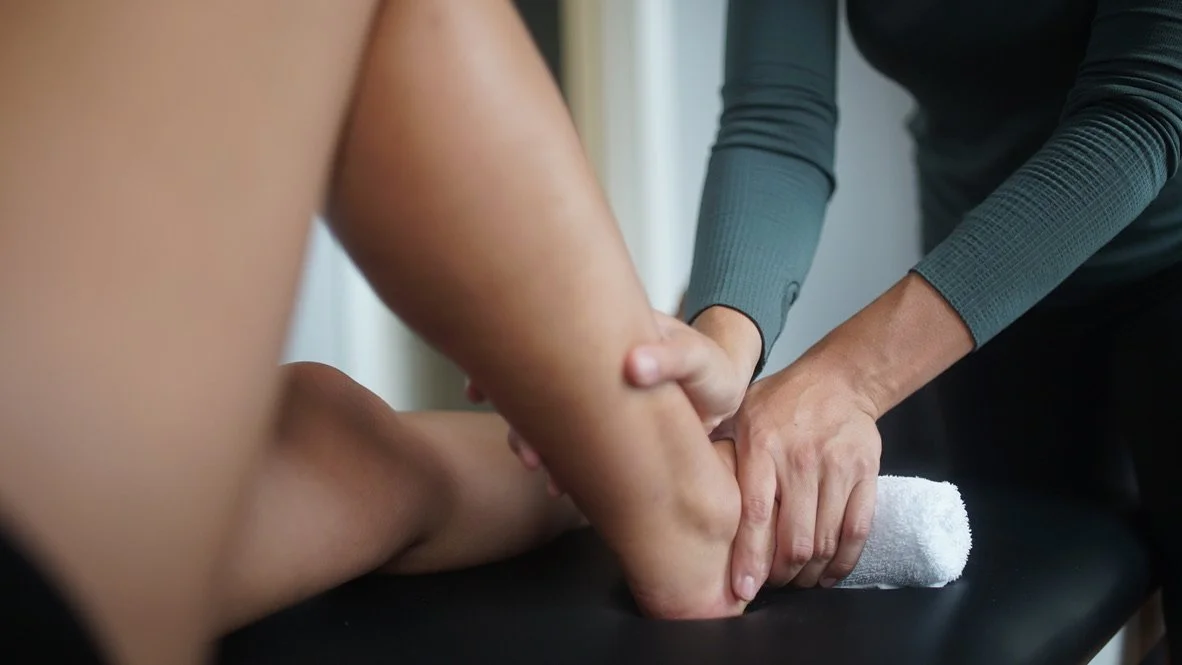
Myofascial release: a gentle, hands-on techniques to reduce fascial restrictions and restore ease of movement. Decrease adaptive stressors from motor vehicle collisions, sports injury or repetitive strain.
Visceral manipulation: focused work to improve mobility and function of internal organs and their influence on surrounding tissues. Improvements for digestion, sleep, energy and hormonal imbalances.
Cranial sacral therapy: subtle fluidic techniques to enhance the motility of the cranial bones, bones of the face, the spine and pelvis to enable flow of the cerebral spinal fluid. This aims to support nervous system regulation, movement of hormones and decrease inflammation of the brain after concussion or emotional stressors.
Neurofunctional movement: unwinding tensions surrounding the nervous system, chronic inflammation or nerve pain, such as sciatica, guided movement reintegration to restore motor control, strenght, coordination, and functional patterns.
Lymphatic drainage: light, rhythmic techniques to support fluid movement and immune function. Very helpful for toxicity from medications and chemotherapy, surgical scars, chronic inflammatory conditions and chronic pain conditions.
Who benefits
People with chronic pain, post-injury or post-operative restrictions, post concussion syndrome, headaches, digestive complaints, stress-related tension, chronic inflammatory conditions, poor movement patterns, or swelling/lymphedema concerns.
Those wanting a holistic approach integrating soft-tissue, visceral, cranial, and nervous-system-focused work.
Other Frequently Asked Questions
What Treatment length is best for me?
35 minutes: ideal for focused assessment and a targeted treatment addressing the most pressing issue. Best when time is limited or for a specific complaint.
50 minutes: gives time for a balanced assessment and treatment allowing more hands-on time and additional techniques for broader areas of concern.
80 minutes: allows for a comprehensive full-body treatment, ideal when multiple areas or deeper, slower work (visceral, cranial, or lymphatic sequencing) is beneficial.
What Should I wear or bring with me to my appointment?
Wear comfortable, light clothing to move around in during treatment
Bring any relevant medical records or imaging if available.
Expect clear guidance on home care, movement suggestions, and follow-up recommendations.

What to expect during the Visit
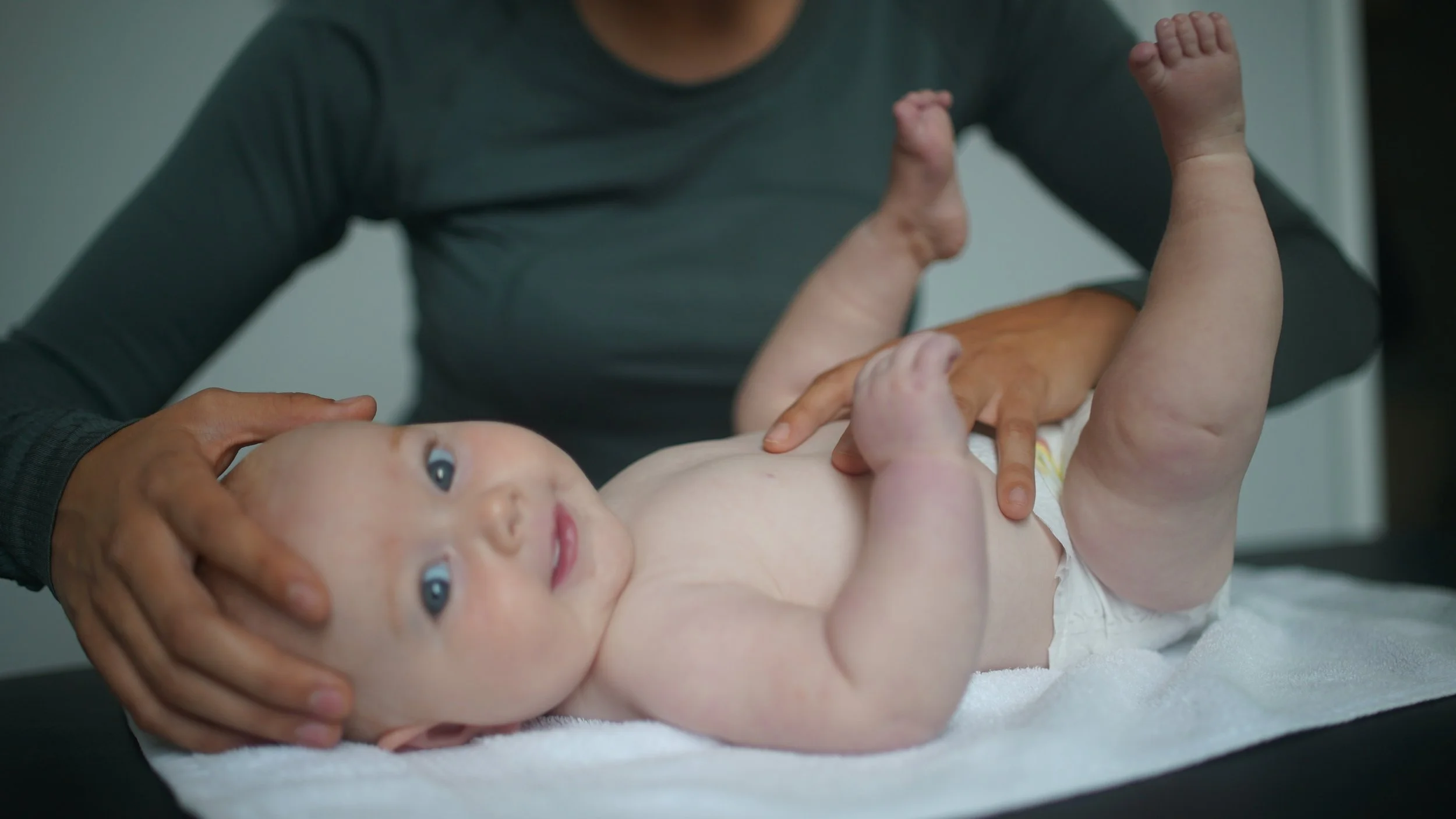
Intake History: The practitioner asks about your child's birth, sleep habits, and health history to ensure a safe and specialized treatment plan
Assessment: They watch your child move or rest. They use soft touch to identify any immobile body tissues or restricted areas.
Soft Treatment: The practitioner uses very light pressure and movements engaging with the child to help relief any immobilities
Rest and Calm: Most babies and kids stay quiet or fall asleep during the treatment
What are common issues that are treated?
For Babies (Newborns to Toddlers)
Feeding Issues: Strains from birth can cause poor latching, lip and tongue ties, sucking asymmetry or weakness, or turning the head only to one side (torticollis)
Digestive Discomfort: Structural tension can contribute to infant colic, excessive wind, reflux, and constipation. Occasionally this is seen as high abdominal tone or arching of the back.
Birth Trauma Strains: Physical stress from deliveries, forceps, or vacuum suction can leave tensions spots in the baby's head, neck and spine.
Sleep Disruption: Persistent body discomfort or an overstimulated nervous system can prevent a baby from settling into deep sleep.
Postural Preferences: Conditions like flat head syndrome (plagiocephaly) or a preferred neck tilt (torticollis) respond well to soft tissue release.
For Older Children
Growing Pains: Rapid growth spurts often cause structural asymmetries, aches in the legs, knees, and lower back.
Postural Strains: Long hours sitting at school desks or looking down at digital screens can strain the neck and shoulders.
Injury Recovery: Soft tissue care helps heal minor muscle strains, sprains, or imbalances caused by sports and active play.
Recurrent Infections: Easing tension around the chest and neck can support fluid drainage, helping children manage glue ear or recurrent colds.
Digestive complaints: lack of appetite, indigestion, or complaints of sore stomachs can be due to tensions in the organs, or the pressures around the abdomen and can be effetely relieved with gentle osteopathic care
What to expect for my child’s appointment?

Have more questions?
Let’s Chat!